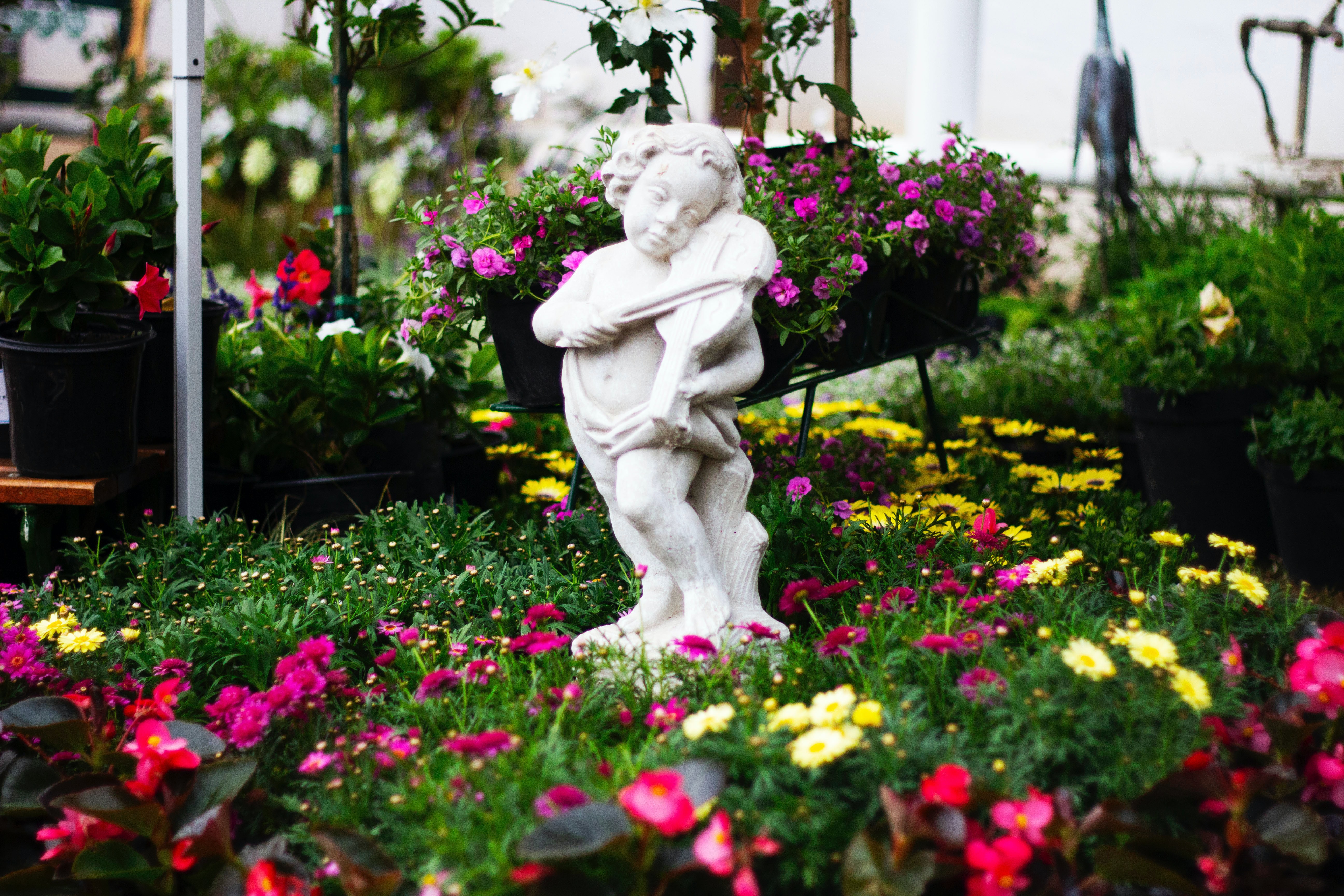
You do not need a backyard to grow a productive garden. A balcony, patio, fire escape, or even a sunny window ledge can support a surprising variety of vegetables, herbs, and flowers in containers. The key is matching the right container size to each plant, getting the soil mix right, and staying on top of watering since containers dry out faster than in-ground beds.
Choosing the Right Container Size
Container size directly determines what you can grow.
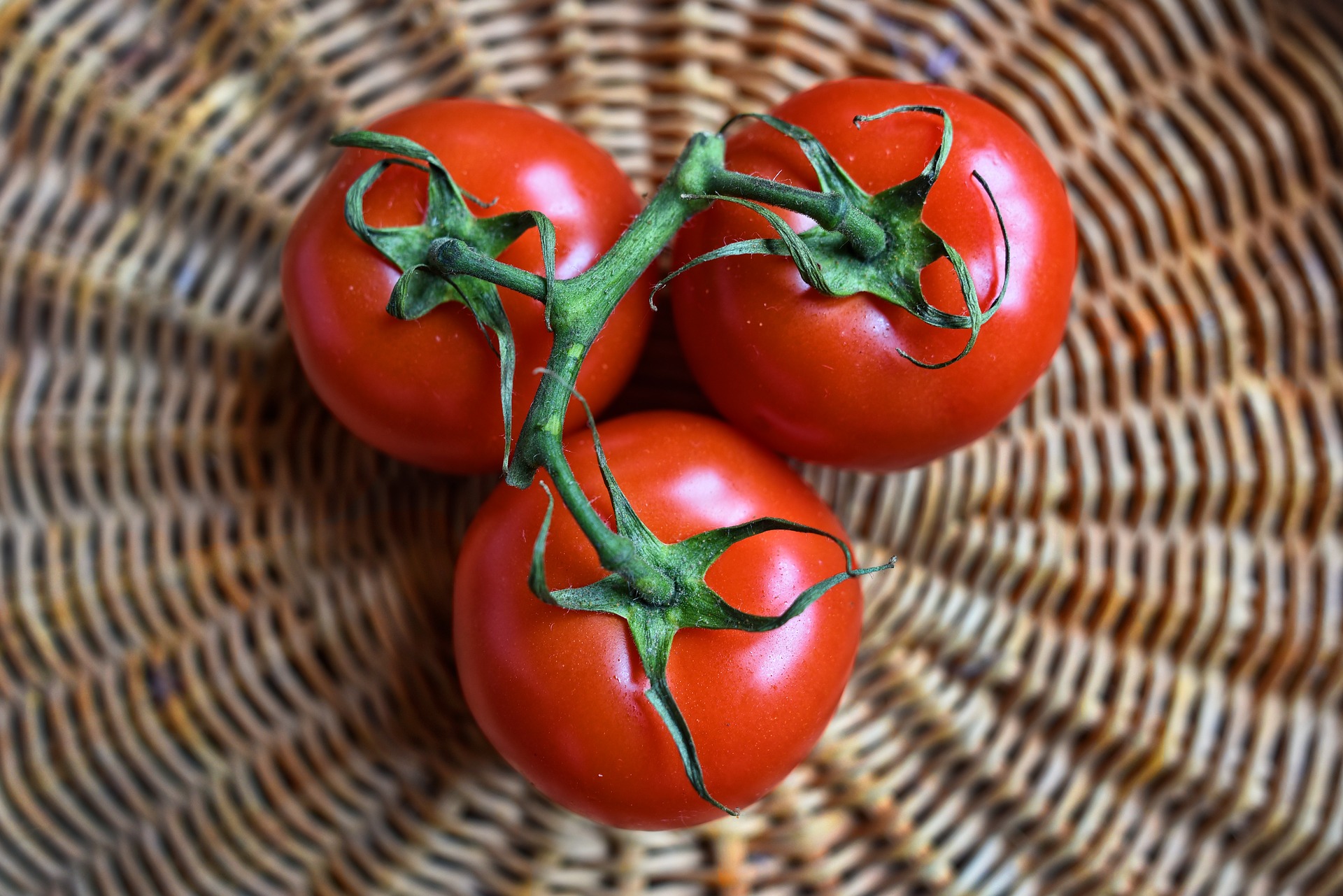
Herbs like basil, cilantro, and parsley thrive in pots as small as 6 inches in diameter. Lettuce and spinach need at least 8-inch containers with 6 inches of soil depth. Peppers and bush beans require 5-gallon containers minimum (roughly 12 inches across). Tomatoes, especially indeterminate varieties, need at least 10-gallon containers to support their root systems. One of the most common mistakes is underestimating container size.
A tomato crammed into a 3-gallon pot will produce a fraction of what it could in a properly sized container. When in doubt, go bigger. The extra soil volume holds more moisture and nutrients.
Container Materials: Pros and Cons
Plastic pots are lightweight, inexpensive, and retain moisture well. A 10-gallon plastic pot costs $3 to $6. The downside is they heat up in direct sun, potentially cooking roots against the pot walls.
Wrapping dark plastic pots with burlap or moving them to partial afternoon shade solves this. Terra cotta looks beautiful but is heavy, breakable, and dries out quickly since the porous clay wicks moisture from the soil. Fabric grow bags ($4 to $8 for a 10-gallon bag) have become popular because they allow air pruning of roots, which prevents root circling and promotes dense, fibrous root systems.
They drain fast, so plan on watering more frequently. Self-watering containers like the Earthbox ($35 to $50) have a built-in reservoir that wicks water up to the root zone, reducing watering to every 3 to 5 days depending on conditions.
The Right Soil Mix
Never use garden soil in containers. It compacts, drains poorly, and often harbors disease organisms. A good container mix is roughly one-third peat moss or coconut coir, one-third perlite or vermiculite, and one-third compost.
Pre-made potting mixes like FoxFarm Ocean Forest ($18 for 1.5 cubic feet) or Espoma Organic Potting Mix ($12 for 1 cubic foot) work well straight from the bag. For large containers, mixing your own saves money. A bale of peat moss ($18), a bag of perlite ($16), and a bag of compost ($8) makes enough mix for six to eight 10-gallon containers. Always moisten the mix before filling containers since dry peat moss repels water and takes time to absorb.
Vegetables That Excel in Containers
Cherry and grape tomatoes are the highest-yielding container crops. Varieties like Sun Gold, Sweet Million, and Tumbling Tom produce hundreds of fruits in a single season from a 10-gallon pot. Bush beans like Provider and Contender grow 18 inches tall and produce prolifically in 5-gallon containers. Peppers, both sweet and hot, are natural container plants since their compact root systems match well with 5 to 7-gallon pots.
Lettuce and salad greens grow fast in shallow containers and can be succession-planted every 2 to 3 weeks for continuous harvests. Radishes mature in 25 to 30 days in any container at least 6 inches deep. Cucumbers and zucchini can work in large containers (15+ gallons) if you provide a trellis for vertical growth.
Watering Containers: The Critical Factor
Container soil dries out fast, especially in summer heat and wind.
A 5-gallon pot in full sun may need watering twice daily during a heat wave. Check soil moisture daily by pushing your finger 2 inches into the soil. If it feels dry at that depth, water thoroughly until water runs from the drainage holes. Watering lightly only wets the top inch and trains roots to stay shallow where they dry out faster. Drip irrigation on a timer is the best solution for container gardens with more than a few pots.
A simple manifold setup with adjustable drip stakes costs about $30 for 12 pots and saves a lot of time and forgotten-watering stress.
Feeding Container Plants
Container plants need more frequent fertilizing than in-ground plants because nutrients wash out with every watering. Start with a slow-release granular fertilizer mixed into the potting soil at planting time. Osmocote 14-14-14 ($12 for 2 pounds) provides balanced nutrition for 3 to 4 months from a single application.
Supplement with a liquid fertilizer like fish emulsion or a balanced water-soluble formula every 2 weeks during active growth. Yellowing lower leaves usually indicate nitrogen deficiency, which is the most common nutrient issue in containers. Purple-tinted leaves suggest phosphorus deficiency, often caused by cold soil temperatures early in the season.
Maximizing Limited Space
Vertical growing is the biggest space multiplier for container gardeners. A 5-foot trellis behind a container lets you grow pole beans, cucumbers, or small melons in the footprint of a single pot. Stacking shelves or a plant stand lets you create multiple growing levels on a small balcony. Hanging baskets work for trailing herbs, strawberries, and small trailing tomatoes. Window boxes along a railing provide linear growing space without taking up floor area. Group containers strategically: tall plants on the north side where they will not shade shorter ones, and heat-loving plants against south-facing walls that radiate warmth in the evening.
Overwintering and Off-Season
Most vegetable containers are seasonal, but perennial herbs like rosemary, thyme, and chives can overwinter indoors near a sunny south-facing window. Bring them inside before the first frost and reduce watering since indoor air slows growth. In USDA zones 7 and warmer, many containers can stay outside year-round with frost-sensitive plants replaced by cool-season crops like kale, spinach, and garlic in fall. Store empty fabric grow bags dry and folded over winter since they last 3 to 5 seasons if kept clean. Dump and refresh potting soil annually rather than reusing it, as nutrient depletion and salt buildup reduce performance in the second year.